


EN
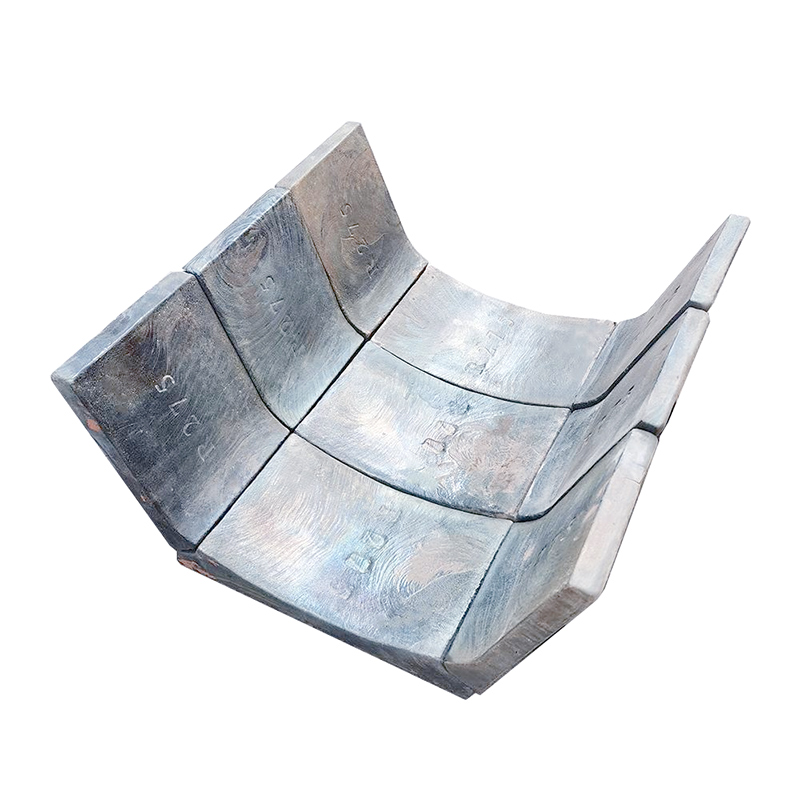
Cast Basalt Pipes product photo

Cast Basalt Pipes

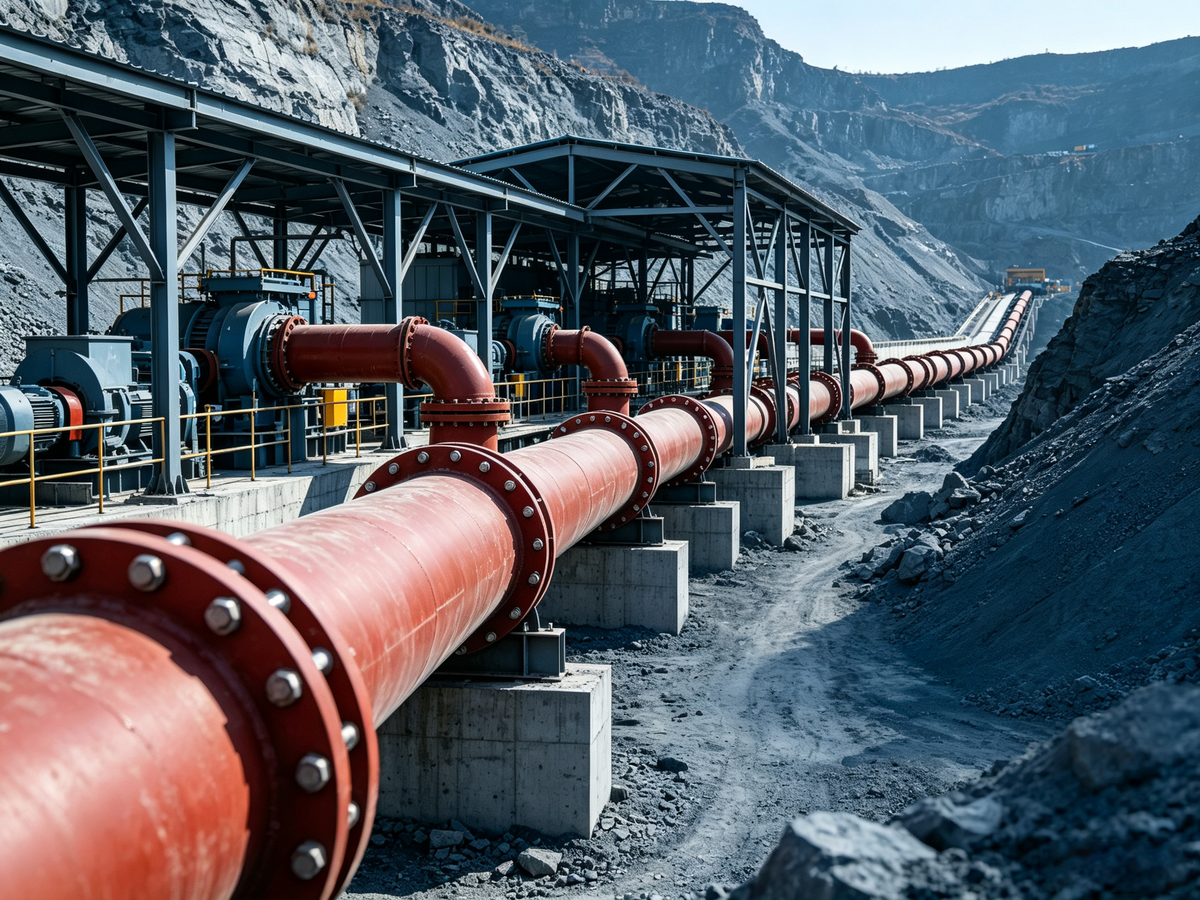
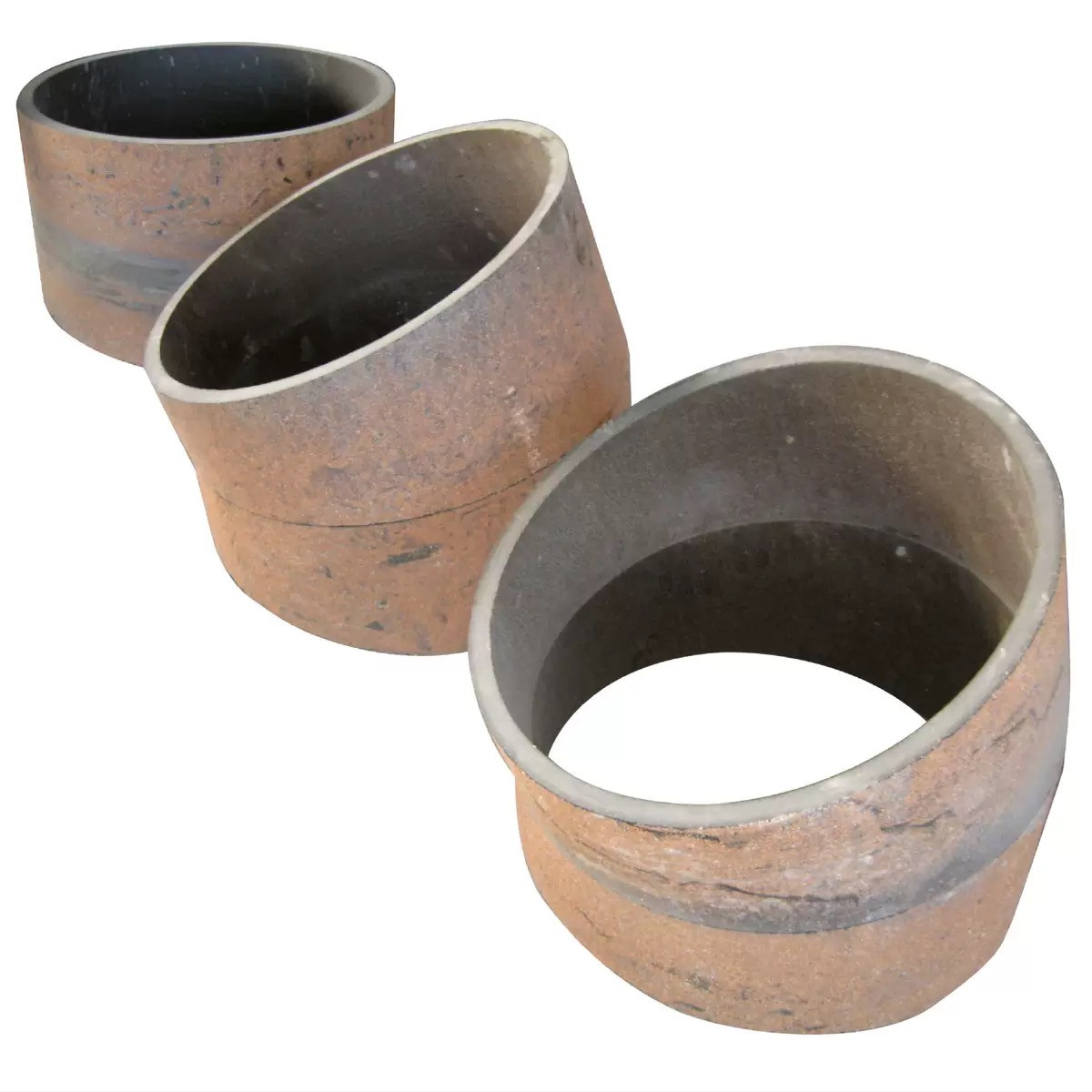
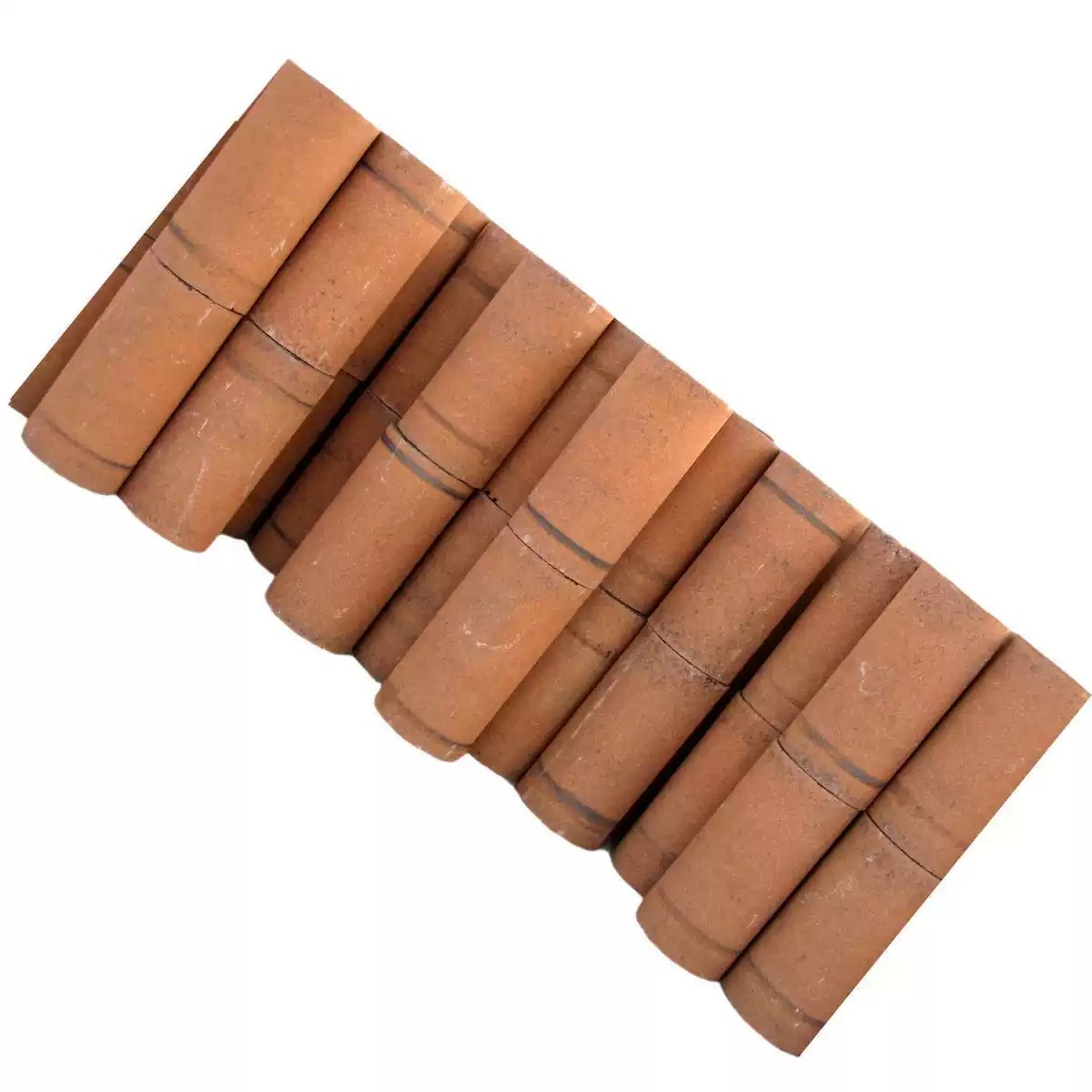
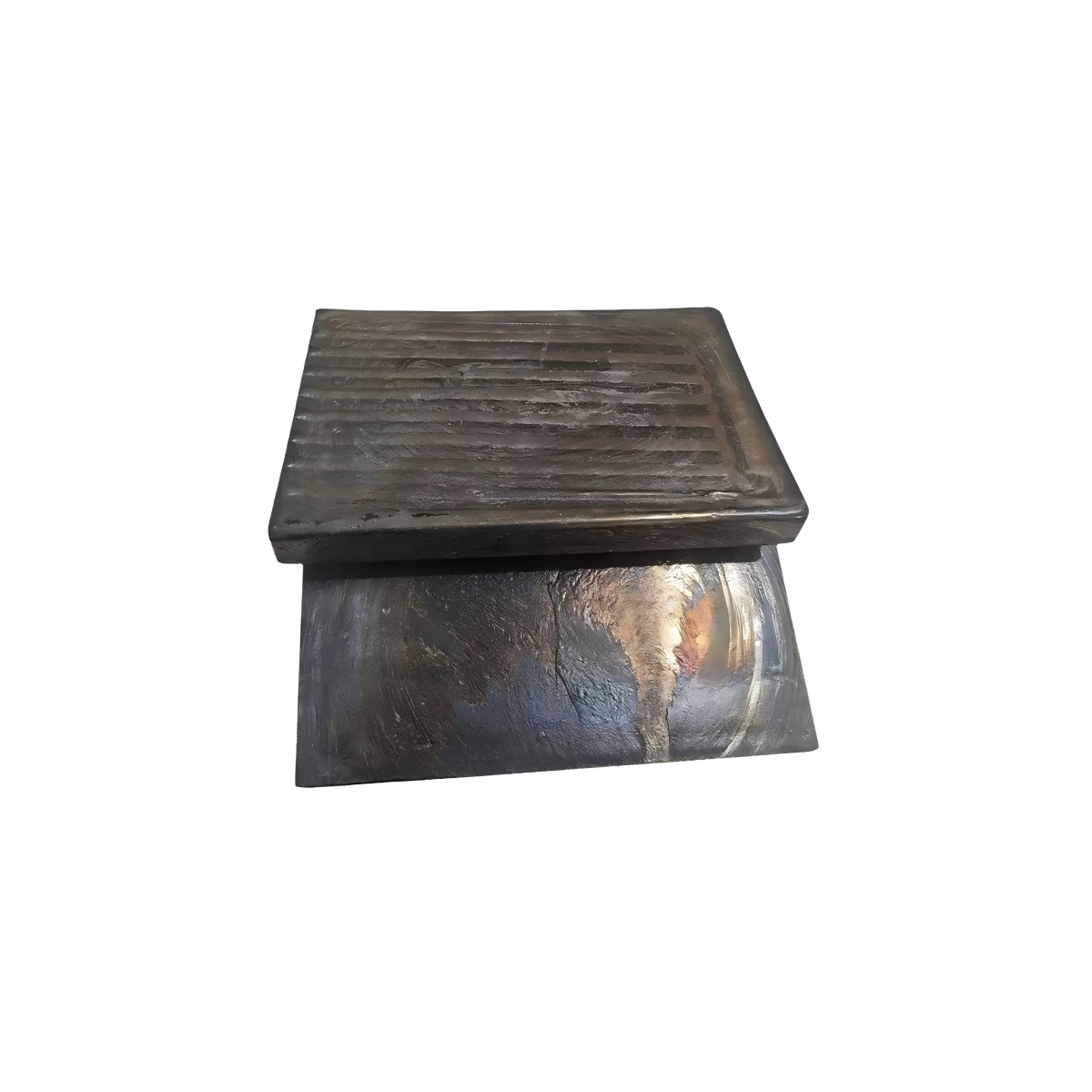
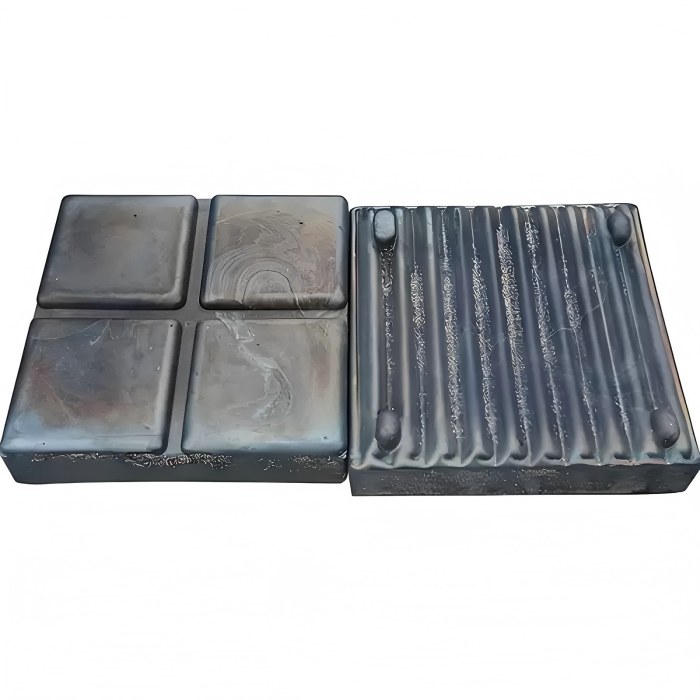
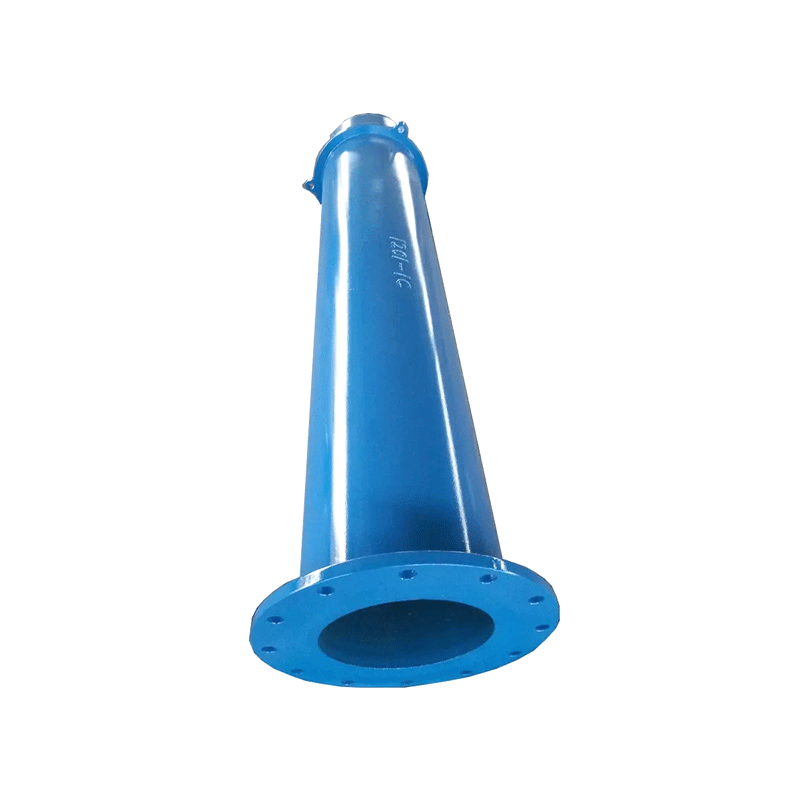
Cast basalt pipe sections provide the abrasion-resistant inner surface of a supported conveying system. They are commonly considered for ash, slag and mineral-slurry service, with the complete pipe assembly designed for operating pressure and handling loads.
  • Excellent wear resistance
  • Corrosion resistance
  • Customized specification selection
Description
Specifications
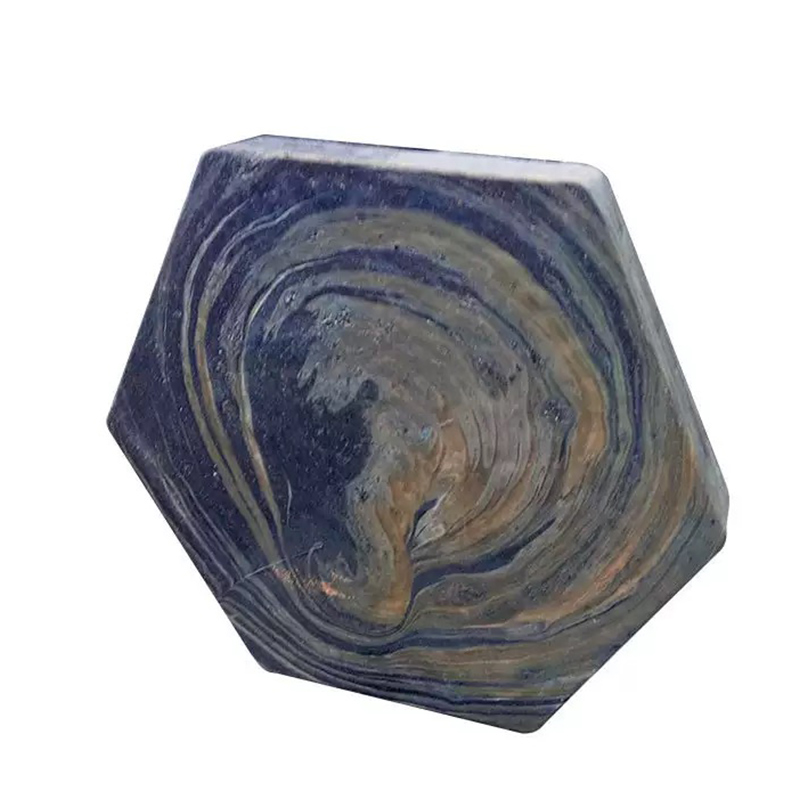
Cast Basalt Pipes product photo

Function of a cast basalt pipe liner

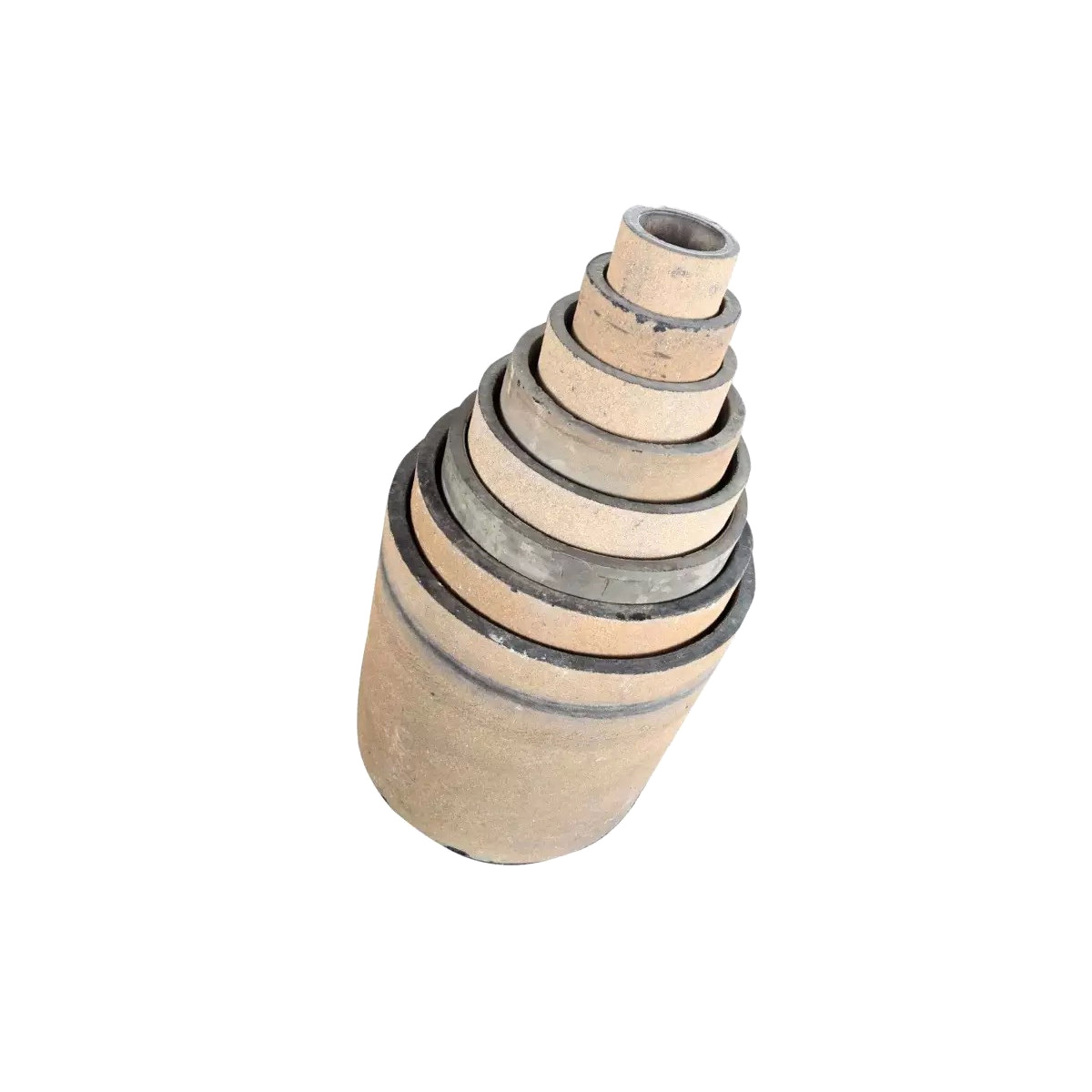
Centrifugal casting is a recognized way of forming basalt pipe liners with a cylindrical internal surface. The liner provides the wear surface while the surrounding assembly provides support, connection and structural capacity.

A brittle cast basalt liner should not be assumed to function as a stand-alone pressure pipe. Review the outer pipe, bedding or filling layer, joints and handling arrangement as a complete system. Confirm manufacturing details against the proposed supplier specification.

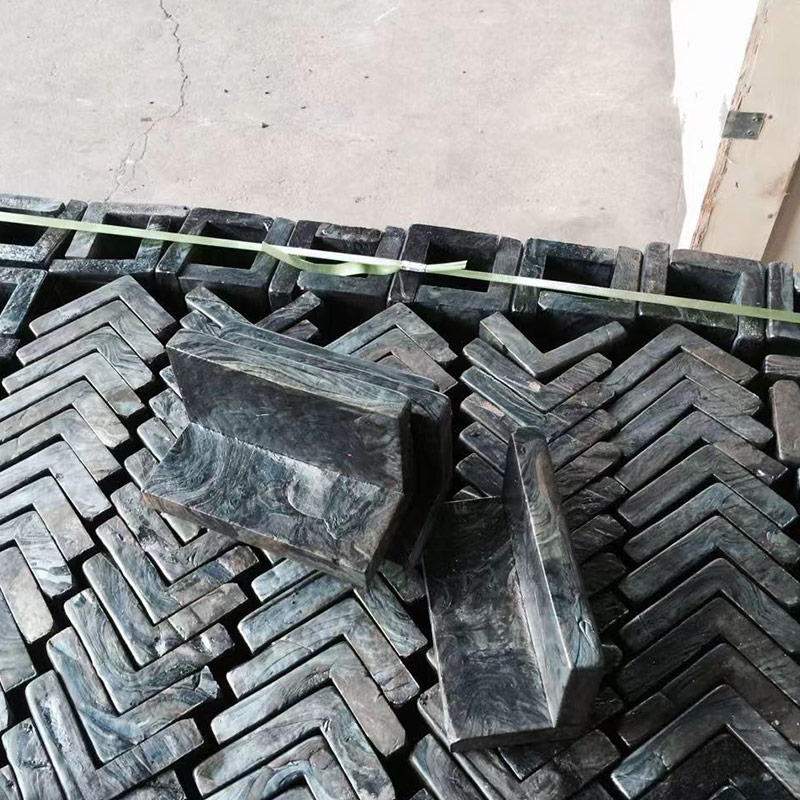
Cast Basalt Pipes product photo

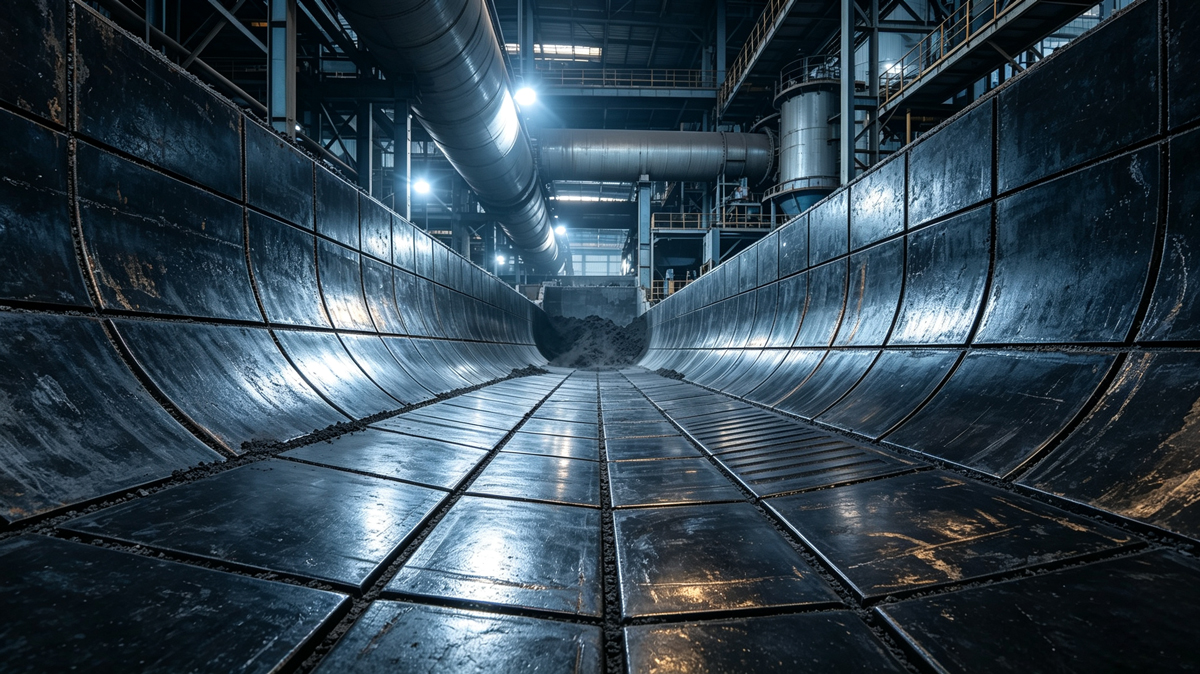
Conveying applications and wear locations

Typical applications include hydraulic ash and slag transfer in power plants and abrasive slurry or tailings transfer in mineral processing. Selection depends on the solids, liquid chemistry and flow conditions rather than the industry name alone.

Bends, tees, reducers and changes in direction deserve special attention because local flow and impact can differ from straight runs. A line schedule should identify these fittings and the expected wear locations instead of treating every section as identical.

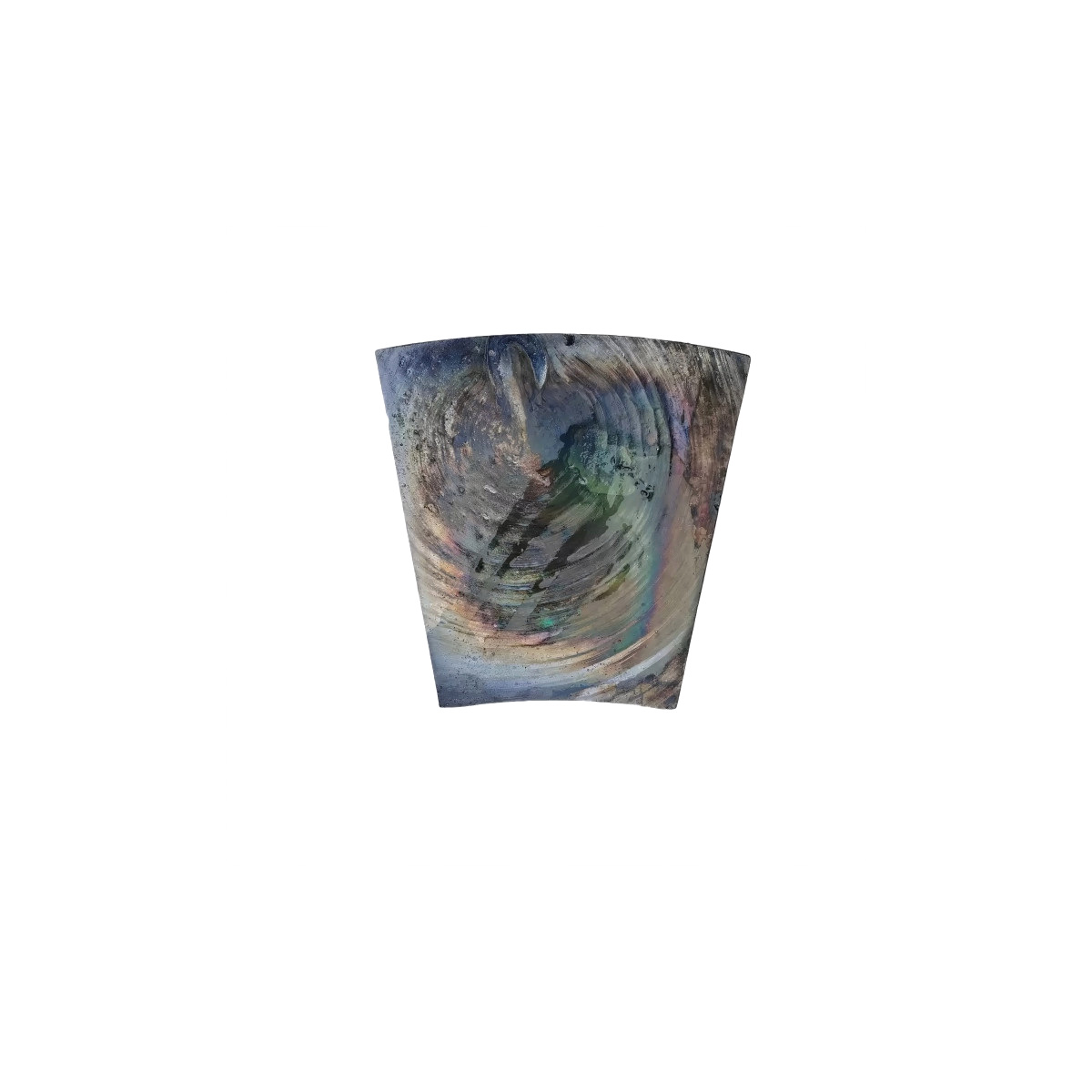
Cast Basalt Pipes product photo

Information required for selection

Provide the required internal bore, line route, straight lengths, fitting geometry, quantities, pressure and temperature. Add solids concentration, particle size and flow information where available, plus the proposed connection arrangement.

During receiving and installation, protect the liner from shock and confirm that mating sections align without forcing the assembly. Any transport damage, displaced liner or joint problem should be reviewed before operation. Inspection intervals depend on the actual process and observed wear.

Physical-chemical properties of cast basalt

Specific Gravity 3g/cm3
Compression strength 600MPa
Bending Strength ≧60MPa
Impact Strength 1.76MJ/m2
Abrasive Resistance 0.07g/cm2
Diamond Penetrator Hardness ≧720kg/mm2
Modulus of Elasticity (Room Temperature) 1.67×10^5MPa
Expansion Coefficient (Room Temperature to 60°C) 8.92×10^-6
Corrosion Resistance: 95%-98% H2SO4 ≧98%
Corrosion Resistance: 20% H2SO4 ≧94%
Corrosion Resistance: 20% NaOH ≧98%

Chemical component of cast basalt (weight%)

SiO2 43.13~44.12
Al2O3 12.50~13.52
Fe2O3 8.64~9.50
TiO2 2.02~2.62
CaO 9.05~10.22
MgO 8.65~10.47
K2O 1.40~1.75
Na2O 4.62~5.28
FeO 4.82~6.25
P2O5 1.10~1.38

Project specification review

Confirm dimensions, quantity, operating conditions, inspection documents and installation interfaces before ordering. The final supply specification is agreed for the individual project; generic material data do not establish an equipment pressure rating or a guaranteed service life.

icon service icon

Related service

icon gear t

Wear Life & Installation Planning

Practical guidance for assessing wear conditions, planning cast basalt lining layouts and preparing installation details for chutes, hoppers and pipelines.

icon gear t

Offer Customized Services

Technical specialists help select cast basalt dimensions and configurations for your chutes, silos and pipelines, with installation guidance.

icon hex t

Foreign Trade Project Support

From inquiry and samples to inspection, export documents and sea shipment, our team supports overseas cast basalt material procurement.

icon Resist Wear & Corrosion, Forge Long-term Stability icon

Cast Basalt Wear-Resistant Products

    Products
    Message
    WhatsApp
    Email